More on Metaphors

Dramatic Metaphors As we discussed last time, a Dramatic Metaphor is one in which a character or group of characters have a specific relationship to an image or symbol.  (For a more detailed understanding of Semiotics see Umberto Eco’s, Articulations of The Cinematic Code).  The point is: as your story evolves, the emotional content in … More More on Metaphors
Visual Storytelling

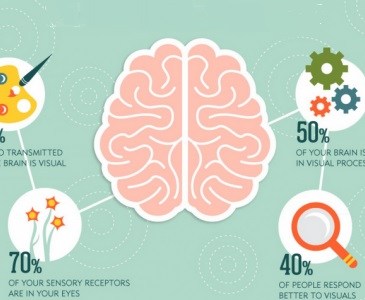
Sight and Sound Storytelling in film demands two of ours senses: sight and sound. Sound is everything from dialogue to music and effects.  (More on use of sound and music cues in your screenplay later.) Sight is everything that the audience sees when they watch the film. As we’ve discussed, it’s why description and narrative … More Visual Storytelling

Break Time

The Lie that Tells the Truth Writing is more than just putting words on a page.  Writing is more than constructing a story with a beginning, middle and end.  Writing is absorbing and experiencing life, filtering it through your imagination and finding the truth inside an experience that allows you to communicate your ideas to … More Break Time

On Language in Scripts – Scenes and Narrative (Part 3)

Only tell the reader what is being seen. When describing people, places and situations never tell the reader something that can’t be seen by a person sitting in the theater watching the movie unfold.  Resist the urge to explain or provide exposition.  Do not give us backstory or the inner monologue of any character. Do … More On Language in Scripts – Scenes and Narrative (Part 3)